






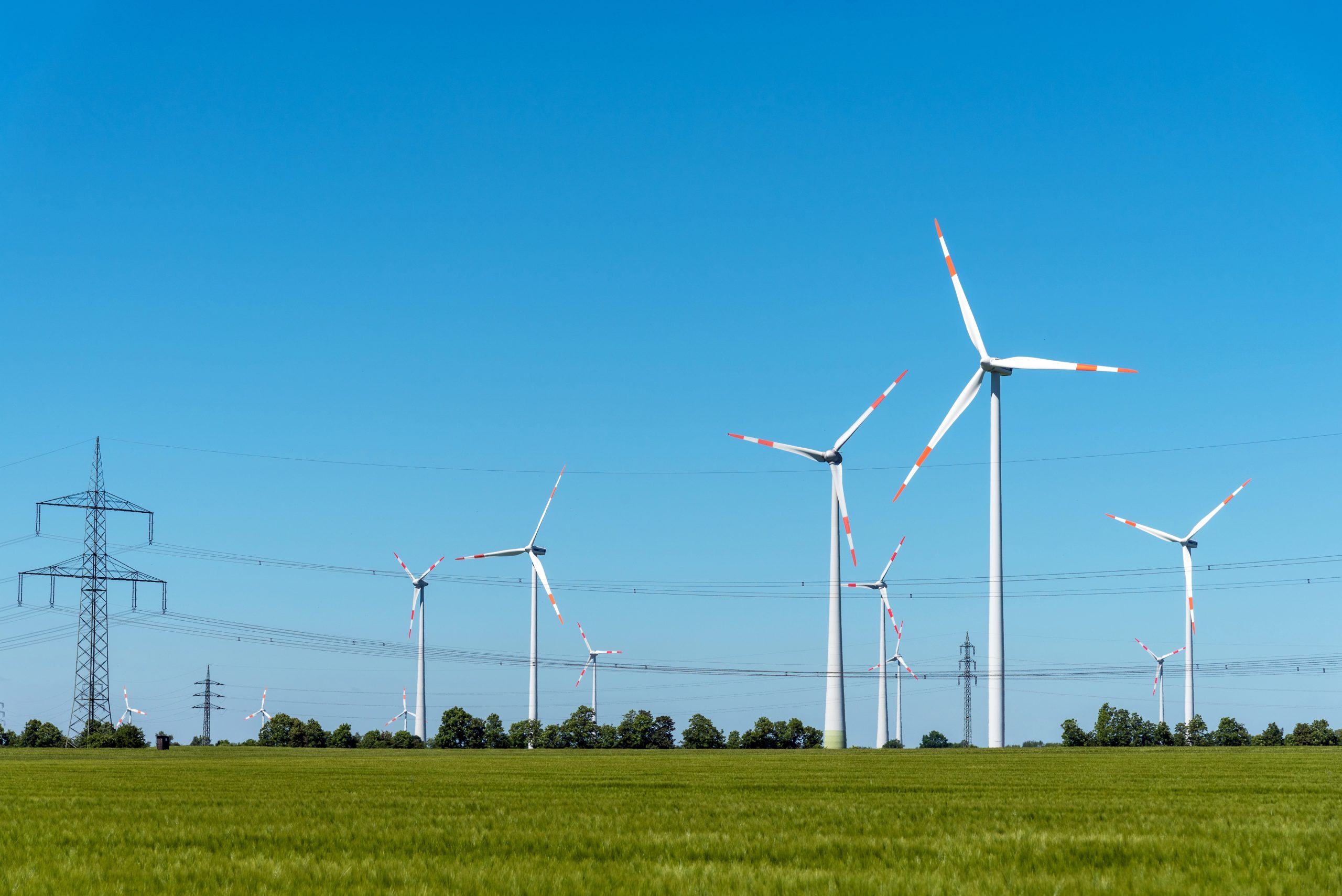
In a recent interview with Frankfurter Allgemeine Zeitung, economist and advisor to the German government Andreas Löschel warned of Germany’s still excessive dependence on gas. Germany currently has sufficient gas reserves, but any crisis on the global market quickly spills over into prices and supply insecurity; for example, gas prices have risen significantly due to the most recent war in Iran. Therefore, the question of transitioning to renewable energy sources is not merely an economic issue, but above all a matter of energy independence. Energy produced locally means less reliance on imports and reduced exposure to geopolitical risks.
This is why an increasingly pressing question emerges: not how to secure more gas, but how to need less of it in the long term. The answer is more and more often found in electrification, renewable energy sources, and more efficient, coordinated energy management in an international context. In industry, transport, and heating, solutions already exist that enable a reduction in fossil fuel consumption. Heat pumps, electric vehicles, and electrified processes are no longer experimental technologies, but part of everyday reality.
Nevertheless, electrification is not a universal solution for all sectors and processes. In areas such as parts of heavy industry, high-temperature industrial processes, aviation and maritime transport, as well as certain segments of the chemical industry, direct electrification is often technically demanding, too costly, or still insufficiently efficient. For this reason, alternative fuels will continue to play an important role in these sectors.
However, beyond the aforementioned industrial processes, electrification already makes clear technical, economic, and strategic sense in a wide range of applications. Wherever energy can be directly converted into electricity and used efficiently, losses are reduced, energy efficiency is increased, and dependence on imported fossil fuels is diminished. In other words, although electrification will not completely replace all fuels, in many sectors it represents the most realistic and fastest path toward lower gas consumption, greater system resilience, and a more sustainable energy model in the long term.
Infrastructure as a Challenge
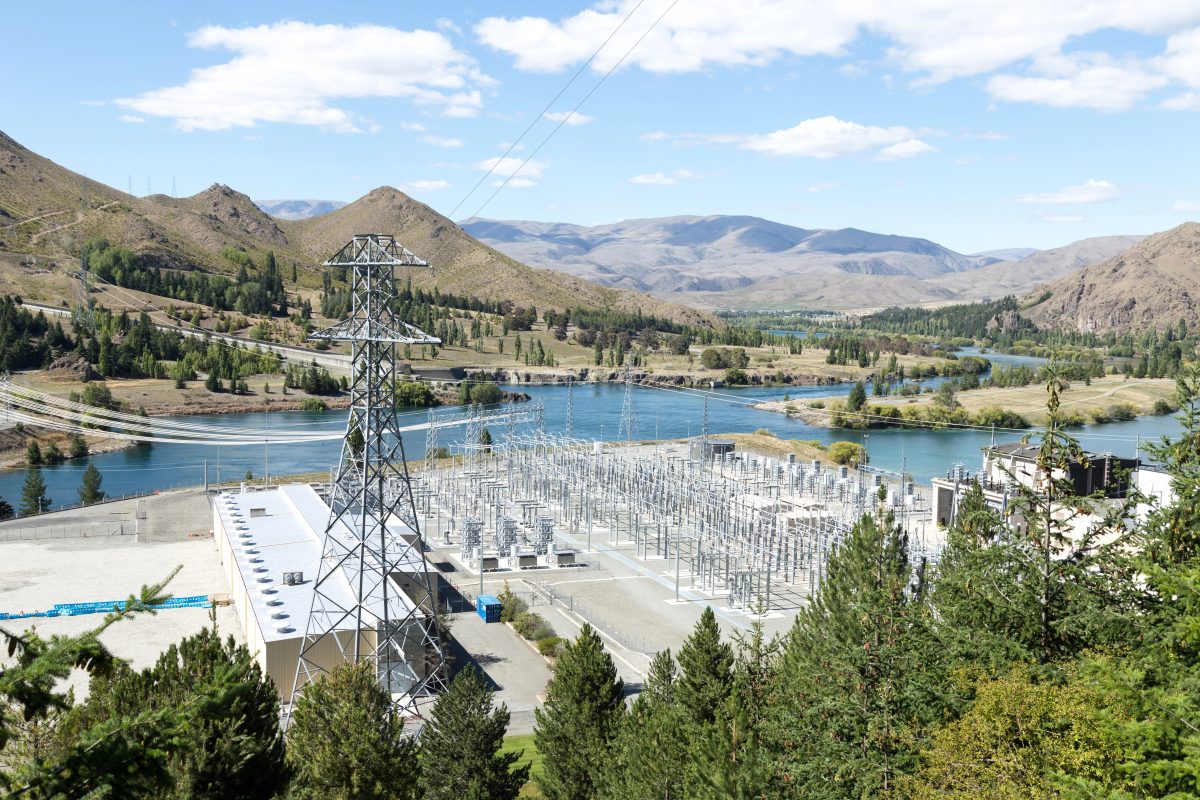
One of the greatest challenges in the electrification system is infrastructure, above all the power grid. Generation from renewable sources often does not match the location and timing of consumption, which creates technical challenges in electricity transmission, potential congestion, and ultimately inefficiencies and system constraints.
At the same time, the market structure of the system raises additional questions. This essentially concerns how the energy sector is organized: how many participants operate in the market, what their relationships are, the level of competition, and who controls key infrastructure such as transmission and distribution networks. Power systems often exhibit characteristics of monopolies, particularly in network segments where one or a few operators manage the infrastructure. Under such conditions, large grid operators can, in certain cases, generate high revenues in an environment of limited competition. Similar issues arise in district heating and electric vehicle charging infrastructure. In other words, in situations of reduced or non-existent competition, the efficiency of the energy transition is significantly slowed. This is particularly evident in areas such as the integration of renewable energy into the production system, the development of flexible power capacities, and the digitalization of the electricity system.
Indeed, one of the often underestimated elements of the energy transition is digital infrastructure. In the electricity distribution segment, the large-scale deployment of smart meters, advanced grid management, and precise consumption measurement are becoming essential for the functioning of an increasingly complex and decentralized system. Without high-quality data, there can be no high-quality information on which sound decisions are based—and therefore no efficient and optimized system.
Technology plays a key role here—not only in energy production, but also in understanding and managing the entire system in real time. This means that the energy transition is not merely a matter of introducing new energy sources, but also of ensuring access to high-quality information upon which system efficiency depends. In such a system, reliable and precise measurement systems that enable energy to be accurately measured, understood, and optimized are becoming increasingly important for improving the overall efficiency of the energy system.
It is precisely for this reason that it is important to highlight the role of STE, a company that, together with its partners, actively participates in the design and development of advanced solutions for modern power systems. STE is involved in the development of smart high-voltage conductors that communicate their condition during operation—for example, by providing temperature data along transmission lines—as well as in the development of systems for measuring hydrogenerator vibrations in order to assess maintenance intervals. These are concrete technological advancements that demonstrate that the energy transition is not only a matter of political decisions and investment, but also of knowledge, measurement, and innovation. In this domain, STE has already made an important contribution, and judging by the direction of the energy sector’s development, such solutions will become even more significant in the future.