






The development of geothermal energy is increasingly relying on advanced subsurface measurements, precise data acquisition, and digital infrastructure that enables real-time analysis.
One of the most significant research projects in this field is FORGE (Frontier Observatory for Research in Geothermal Energy). It is an initiative of the U.S. Department of Energy aimed at accelerating the development of Enhanced Geothermal Systems (EGS). The research site is located in Milford, Utah, and the project is led by the Energy & Geoscience Institute at the University of Utah, in collaboration with multiple partner organizations.
The FORGE project includes advanced instrumentation, data acquisition, and data distribution systems that allow information and activities to be monitored and shared in real time.
Unlike conventional geothermal systems, which rely on naturally occurring fractures and water in the subsurface, EGS technology involves creating and controlling a network of fractures in deep crystalline rock. The goal is to build a stable heat-exchange system capable of producing energy over the long term, with reduced risk and at acceptable cost levels.
Because geothermal projects depend heavily on subsurface measurements, one of the distinctive features of the FORGE project is the systematic collection and public availability of data. During drilling, stimulation, and reservoir testing, large volumes of information are generated and stored in a geothermal data repository. These datasets allow researchers and industry worldwide to use the same data, compare results, and develop new methods.
This open-data approach is considered one of the key factors for accelerating the development of EGS technology and reducing risk in future geothermal projects.
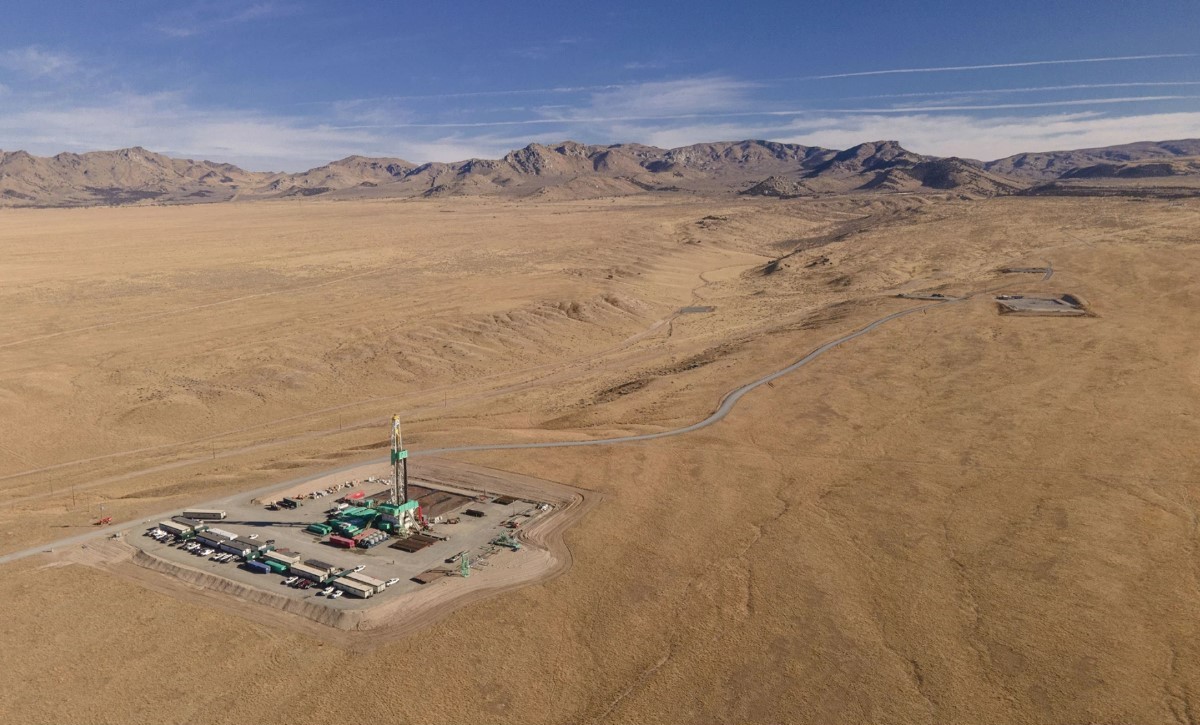
Photo: FORGE
Fiber-optic cables as a key tool for subsurface monitoring
A particularly important part of the FORGE project involves monitoring subsurface conditions using fiber-optic cables. These systems enable continuous measurement of strain, temperature, as well as acoustic and seismic signals underground.
Unlike conventional sensors, a fiber-optic cable can provide continuous measurements along the entire length of the wellbore, offering a much more complete picture of reservoir behavior during stimulation and system operation.
The installation of such systems is technically very demanding and requires experience in deploying optical cables in extreme environments, which are common in the oil, gas, and geothermal industries. For this reason, projects like FORGE involve specialized companies with expertise in fiber-optic infrastructure, measurement systems, and subsurface monitoring.
Similar projects are increasingly being launched in Europe, particularly within the framework of the European geothermal strategy, which supports the development of renewable energy sources, emission reduction, and greater energy independence.
As with other infrastructure projects, this is an area in which STE has a clear vision and proven experience in the design of fiber-optic measurement systems, where reliability in design, measurement accuracy, and data transparency are critical for successful implementation.
The development of EGS technology, as well as other advanced energy projects, increasingly depends on the combination of geology, energy engineering, digital infrastructure, and fiber-optic sensing technologies. Projects such as FORGE demonstrate that the future success of these systems will depend not only on the quality of subsurface research, but equally on the quality of the technology used to monitor it.